

Law Office Referrals
Click Here
Medical Office Referrals
Click HereAthletes get hurt even when they are in great shape. A missed stretch, one bad landing, or months of repetitive motion on the same joint can sideline a weekend player or a college recruit just as easily. At The Neck and Back Clinics, we see sports injuries every week, from a Little League pitcher's sore elbow to a weekend hiker's twisted ankle to a high school football player's concussion.
Overtraining, poor mechanics, insufficient warmups, and sudden impact are the most common causes. The injury itself can range from a mild strain that heals in days to a joint or head injury that needs weeks of supervised recovery. Getting the right diagnosis early can make a meaningful difference in how quickly and how fully an athlete gets back to their sport.
If you or your child were hurt playing sports, call 702.644.3333 in Nevada or 602.368.1333 in Arizona to schedule an evaluation, or request an appointment online below.
Our chiropractic physicians treat the injuries that show up most often on the field, court, and gym floor. Each one responds differently to treatment, so an accurate diagnosis matters before starting care.
Tendonitis develops when a tendon is stressed by the same motion over and over. Tennis players, golfers, and swimmers are especially prone to it because their sport repeats one movement pattern thousands of times per season. Tennis elbow affects the tendons on the outside of the elbow, while golfer's elbow affects the tendons on the inside. Both cause pain that worsens with grip strength and can spread into the forearm if untreated.
Ankle, knee, and wrist sprains are among the most common sports injuries we see, along with muscle strains in the hamstring, groin, and lower back. Left untreated, an unstable joint is far more likely to be reinjured the next time an athlete returns to play.
Sudden direction changes, jumping, and hard landings put the ACL and surrounding knee ligaments at risk, particularly in basketball, soccer, and skiing. Knee injuries range from a mild sprain to a full ligament tear that requires surgical evaluation, so we assess the knee's stability and range of motion before recommending a treatment path.
Throwing athletes, swimmers, and weightlifters place repeated stress on the shoulder's rotator cuff. Pain that worsens when lifting the arm overhead, along with a clicking or catching sensation, are common early signs.
Sports-related concussion, often shortened to SRC, has become one of the most closely watched sports injuries in youth and professional athletics. High-profile brain injuries in football and hockey have pushed schools, leagues, and parents to take head injuries far more seriously.
Concussions do not always involve a loss of consciousness or obvious confusion. Symptoms right after the injury commonly include headache, dizziness, nausea, ringing in the ears, and slurred speech. Delayed symptoms, which can appear days later, include trouble concentrating, irritability, sensitivity to light and noise, memory problems, and sleep disturbances.
The Centers for Disease Control and Prevention runs a HEADS UP initiative that provides return-to-play guidance and concussion prevention resources for coaches, parents, and athletes (cdc.gov/headsup). An untreated concussion can lead to long-term brain injury or chronic symptoms, so any suspected head injury during sports should be evaluated the same day.
A sprain is an injury to a ligament, the tissue connecting bone to bone. A strain is an injury to a muscle or tendon, the tissue connecting muscle to bone. Ankles and knees are more prone to sprains, while hamstrings and the lower back are more prone to strains. Both are graded on a scale of one to three based on severity, with grade three meaning a complete tear.
The treatment overlaps for the first 48 to 72 hours: rest, ice, compression, and elevation. After that window, sprains and strains need different rehabilitation approaches because ligaments and muscles heal at different rates and respond to different types of movement. This is why a proper diagnosis matters more than guessing based on symptoms alone.
Treatment depends on the injury, its severity, and the athlete's sport and season. Our chiropractic physicians build an individualized plan that may include:
Young athletes are not just smaller versions of adults. Growth plates near the ends of long bones are still open in children and teenagers, and an injury near a growth plate needs different handling than the same injury in an adult. A sprain that would heal on its own in a grown athlete can affect bone growth in a younger one if it is missed or mistreated.
Parents should watch for limping, guarding a joint, avoiding a favorite sport, or complaining of pain that lingers more than a day or two after practice. Youth sports injuries are also where return-to-play decisions matter most, since sending a young athlete back too early raises the risk of a repeat injury that can affect them for years. Our chiropractors work with parents and, when needed, the athlete's coach or trainer to set a realistic timeline for getting back on the field.
Not every ache after a game needs a clinic visit. See a chiropractor if you notice any of the following:
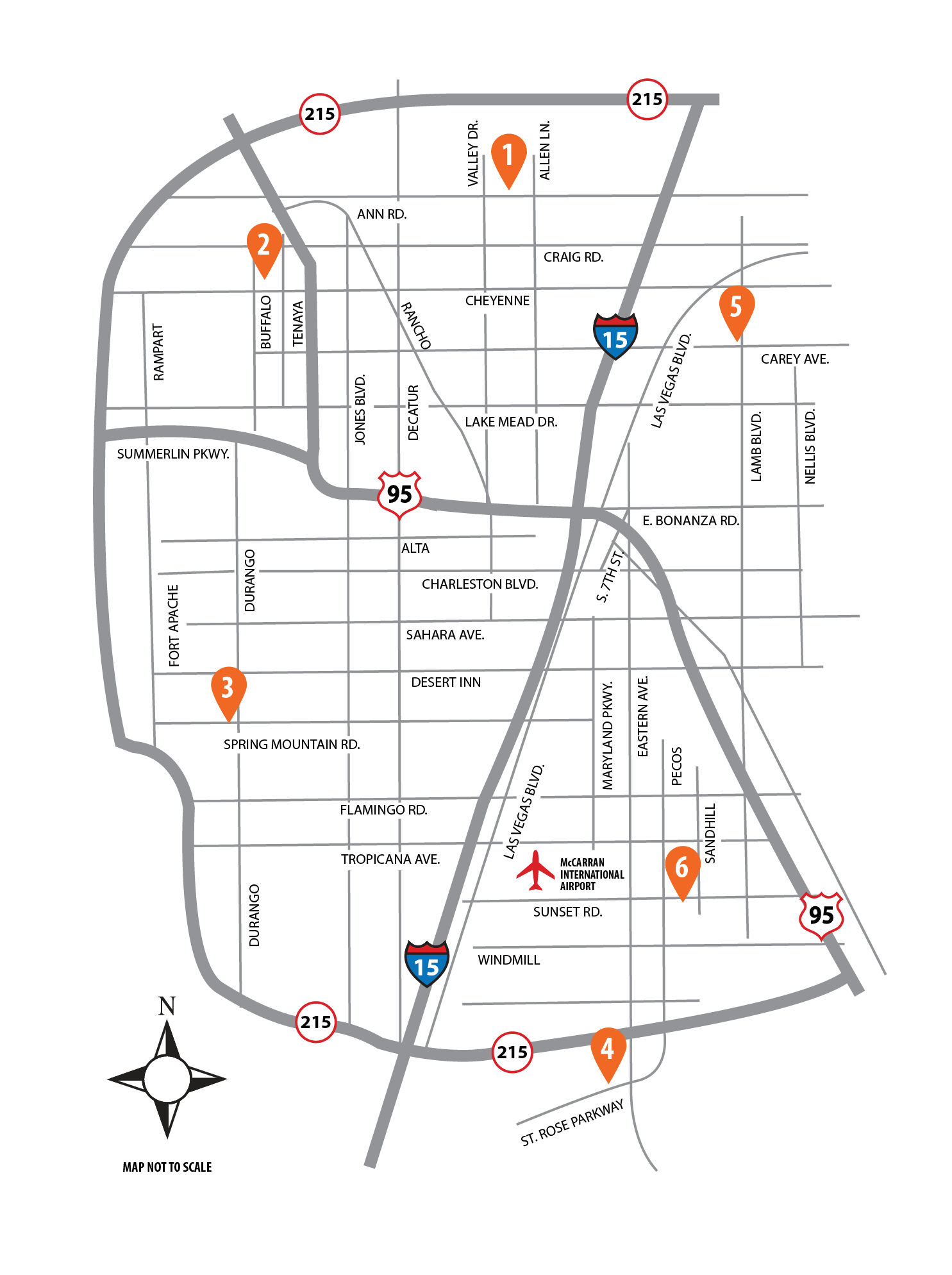
We operate eight locations across Nevada and Arizona, including Downtown, Aliante, Northwest, Southwest, Northeast, both Green Valley clinics, and Laveen. Our chiropractic physicians receive extensive training in the body's central nervous system, which includes the spinal cord and brain, the two areas most affected by concussion and whiplash-type injuries from sports collisions.
Every treatment plan starts with a physical exam and, when appropriate, imaging to confirm the diagnosis before care begins. We coordinate with primary care physicians, orthopedists, and physical therapists when an injury needs care outside what a chiropractic clinic provides.
Most sports injuries should be evaluated within 48 hours if pain, swelling, or instability has not started improving with rest and ice. Any suspected concussion should be evaluated the same day, regardless of how mild the symptoms seem.
A chiropractor may help manage pain, swelling, and surrounding joint mechanics for ligament injuries, but a suspected full tear needs imaging and an orthopedic evaluation to determine whether surgery is necessary. Our physicians will refer out when an injury falls outside chiropractic scope.
A sprain injury is damage to a ligament, which connects bone to bone. A strain injury is damage to a muscle or tendon, which connects muscle to bone. Both are treated with rest, ice, compression, and elevation in the first 48 to 72 hours, then diverge into different rehabilitation approaches.
Return-to-play timing after a concussion should follow a graduated protocol, such as the one outlined in the CDC's HEADS UP program, and should only be cleared by a qualified provider. Returning too soon significantly raises the risk of a second, more serious head injury.
No referral is required. You can call or request an appointment online, and our team will schedule an evaluation at the location closest to you.
New patients can request an appointment online, or call 702.644.3333 for our Nevada locations and 602.368.1333 for our Arizona location in Laveen. Existing patients should call their clinic directly to schedule.